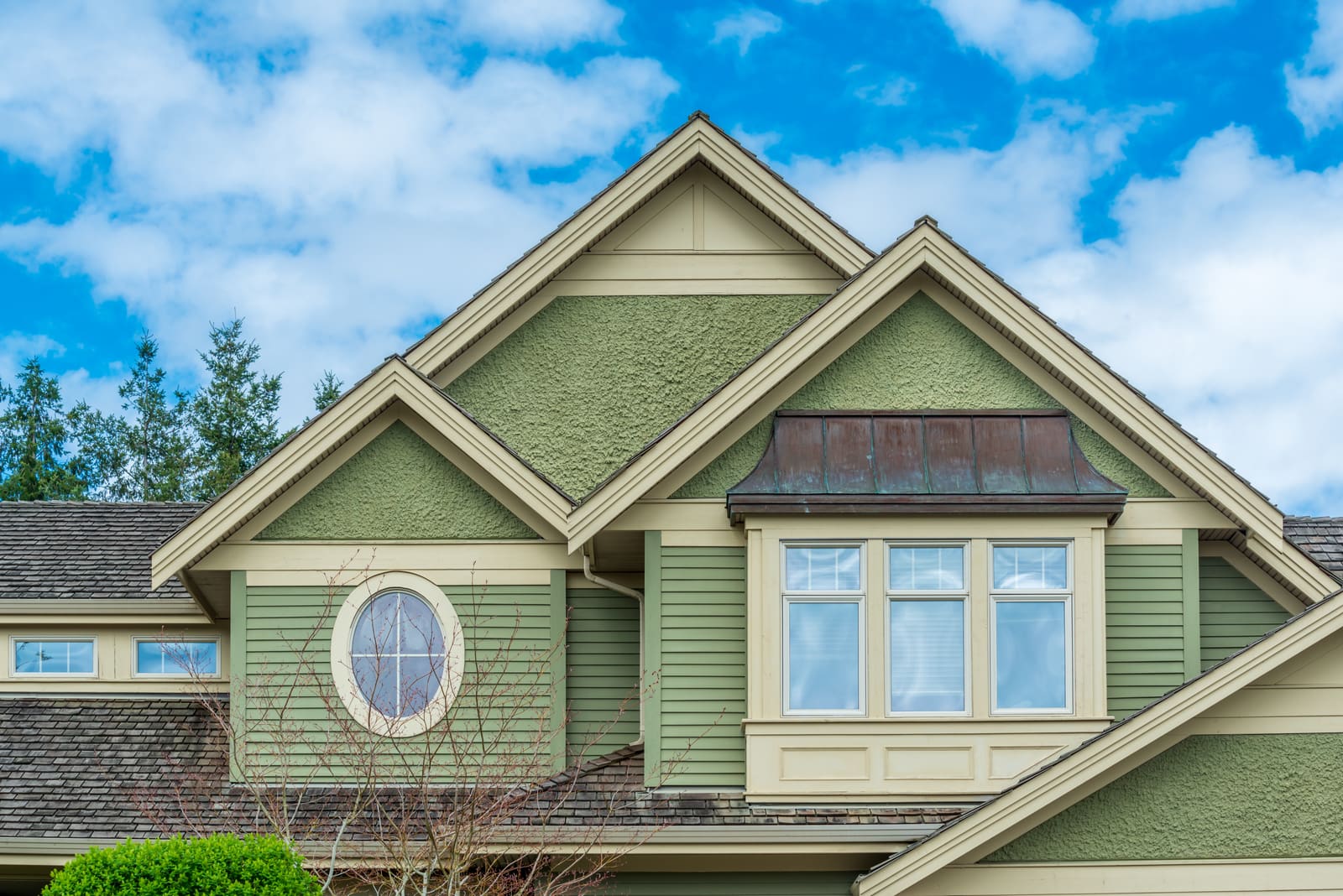
Paint does not last forever. Even the best paint job has a lifespan, and recognizing when it has run out can save you from far more than a cosmetic problem. Catching failing paint early protects the materials underneath it. Here are the top seven signs that your New Jersey home is ready for a fresh coat, inside and out.
Exterior Warning Signs
1. Peeling, Cracking, or Flaking Paint
This is the most obvious sign. When paint begins to peel or crack, it has lost its bond to the surface beneath. In New Jersey, this usually comes from moisture getting behind the paint, poor preparation on the original job, natural aging of the paint film, or the freeze and thaw cycles of local winters.
This one matters more than it looks. Peeling paint is not only unattractive, it exposes your siding, wood trim, and other materials to moisture, which speeds up rot, mold, and structural damage. Peeling paint calls for action sooner rather than later.
2. Fading and Chalking
When exterior paint fades noticeably, or leaves a chalky, dusty residue on your hand when you rub the surface, the pigments and binders have broken down. This is natural aging accelerated by sun exposure. In New Jersey, south and west-facing walls fade fastest because they take the most intense afternoon sun. Fading is a clear signal that the paint is near the end of its protective life, even if it is not peeling yet.
3. Cracked or Missing Caulk
Look closely at the caulk around windows, doors, corners, and trim. Caulk that is cracked, dried out, or missing lets water infiltrate, and water behind the surface can cause serious damage. When caulk has failed in several places, repainting usually makes sense, since replacing all the caulk while the surface is refreshed is the most practical approach.
4. Visible Mold or Mildew
Dark staining on north-facing walls, or any shaded area with poor airflow, often points to mold or mildew. Cleaning can address it for a while, but repainting with a mildew-resistant paint provides lasting protection. Persistent staining that returns after cleaning is a sign the surface needs more than a wash.
Interior Warning Signs
5. Scuffs, Marks, and Stains That Will Not Clean
Flat interior paint in particular absorbs marks rather than resisting them. If your walls show real wear, including scuffs along hallways, handprints near light switches, and the occasional crayon artwork, it may be time to refresh with a more washable finish such as eggshell or satin. This is especially common in homes that have not been painted in seven years or more.
6. The Color Feels Outdated or Wrong
This sign is not about paint failure, it is about how your home feels. If you walk in and the colors feel dated, dark, or simply wrong for you, a fresh paint job can be genuinely transformational. Interior color trends move over time, and a palette that felt current a decade ago can feel tired now. New paint is one of the most affordable ways to modernize a home.
7. You Are Preparing to Sell
Fresh paint is one of the highest-value improvements you can make before selling a home in New Jersey. Buyers form an impression within seconds, and clean, fresh, neutral paint signals that a home has been well cared for. Freshly painted homes tend to show better, sell faster, and leave a stronger impression, which makes painting one of the smarter moves before listing.
How Often Should You Repaint?
These are general guidelines for New Jersey homes. Your own timeline depends on paint quality, sun exposure, and how well surfaces were prepared.
| Surface | Repainting Interval |
|---|---|
| Interior walls | Every 5 to 7 years |
| Bathroom | Every 3 to 5 years |
| Kitchen | Every 3 to 5 years |
| Exterior | Every 7 to 10 years with quality paint |
| Exterior wood trim | Every 4 to 6 years |
| Deck | Every 2 to 3 years |
Why You Should Not Wait
With interior paint, waiting too long is mostly a cosmetic issue. With exterior paint, waiting is a different matter. The longer failing exterior paint goes unaddressed, the more the materials underneath are exposed to moisture. A straightforward repaint can turn into a far larger and more expensive structural repair once rot, mold, or water damage sets in. Addressing exterior paint while it is simply worn, and before it has failed, is always the less costly path.
Frequently Asked Questions
How do I know if my exterior paint needs attention now or can wait? Peeling, cracking, and failed caulk need attention soon, because they let moisture into the structure. Mild fading without peeling is less urgent, but it is a sign to start planning.
How long should interior paint last? In most New Jersey homes, interior walls look good for five to seven years. Kitchens, bathrooms, and high-traffic areas wear faster and may need attention sooner.
Is repainting before selling really worth it? Yes. Fresh, neutral paint is one of the most cost-effective ways to make a home show well, and it strongly shapes the first impression a buyer forms.
My walls just look dirty. Do I need to repaint or just clean? Try gentle cleaning first. If marks will not come off, or cleaning leaves shiny spots on flat paint, repainting with a more washable finish is the better long-term fix.
Final Thoughts
Paint sends clear signals when it is ready to be refreshed. Peeling, fading, failed caulk, mildew, stubborn marks, an outdated color, or an upcoming home sale are all good reasons to plan a repaint. With exterior surfaces especially, acting before the paint fully fails protects your home and saves money.
At Magic Painting LLC we offer free estimates for both interior and exterior painting across New Jersey. If you have noticed any of these signs, contact us and let us evaluate what your home actually needs.