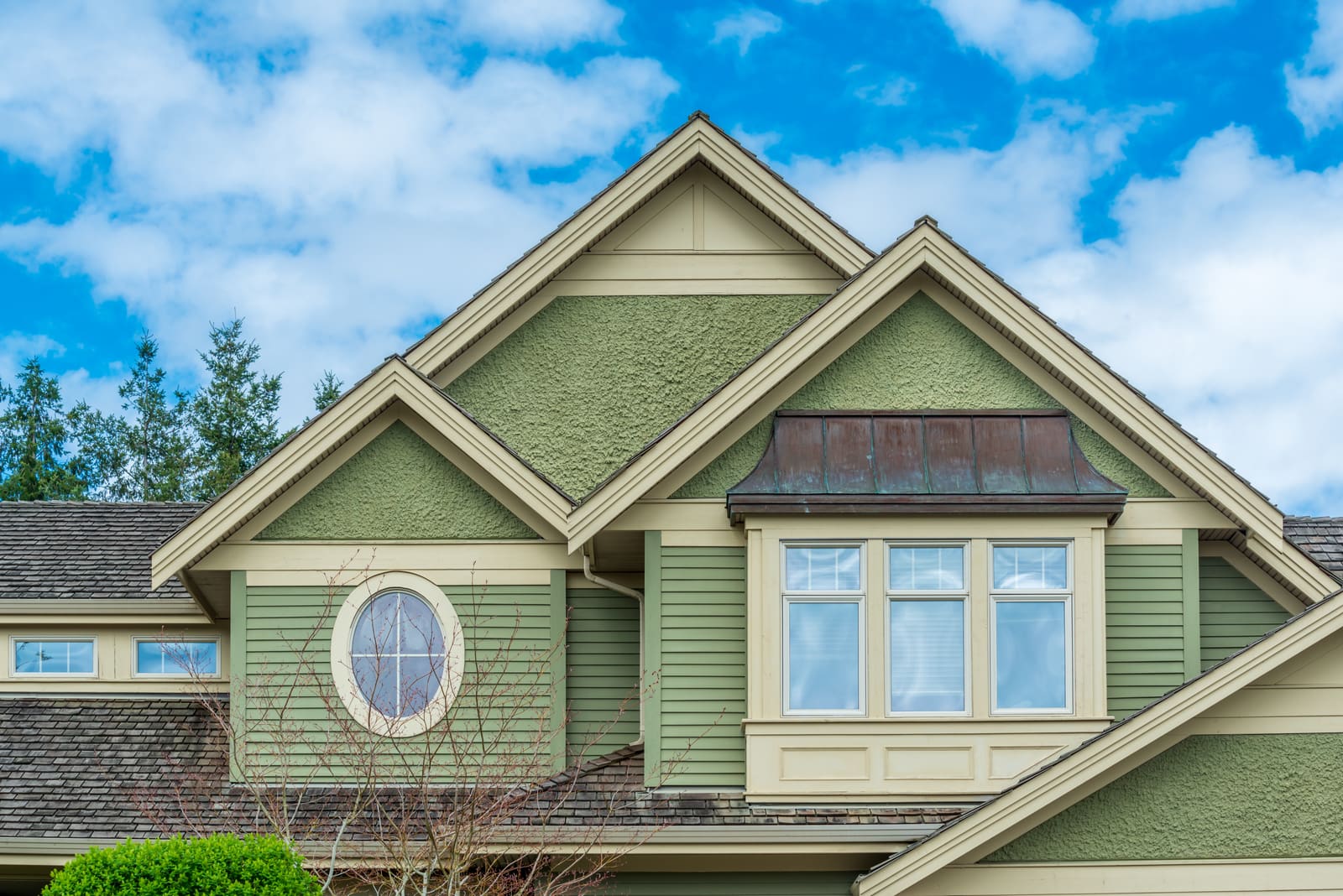
A professional paint job is an investment, and like any investment, how well you care for it determines how long it lasts. With proper maintenance, a quality exterior paint job can hold up for 10 to 12 years in New Jersey, and an interior job can look fresh for 7 to 10. Neglect it, and that timeline shrinks fast.
The good news is that paint maintenance is simple, inexpensive, and takes very little time. Here is how to protect the work.
Why Paint Fails in the First Place
Understanding why paint fails makes the maintenance steps below make sense. Paint rarely fails because it is old. It fails because of moisture getting behind it, dirt and mildew breaking down the surface, sun exposure degrading the film, and small unaddressed problems like a chip or a gap in caulk that let water in. Almost every maintenance task is really about controlling one of those four things. Stop moisture, keep surfaces clean, and fix small issues early, and paint lasts close to its full potential.
Interior Paint Maintenance
Clean Walls the Right Way
Dirt, oils, and everyday grime build up on painted surfaces and slowly dull them. Gentle, regular cleaning extends paint life noticeably.
For general cleaning, use a soft sponge or microfiber cloth dampened with warm water, and add a small amount of mild dish soap for greasy marks. Always wipe gently, since aggressive scrubbing can wear down the sheen. Rinse with clean water and blot dry. Never use abrasive scrubbers like steel wool, and avoid harsh chemicals such as bleach, acetone, or ammonia unless you are treating a specific stain. Never aim a high-pressure hose at an interior wall.
Know Your Finish
Higher-sheen finishes like semi-gloss and satin are more washable and forgiving. Flat and matte finishes are more delicate, and cleaning them too hard leaves shiny rubbed spots that stand out. If you have flat paint on a wall that gets dirty often, consider moving up to eggshell or satin the next time that room is painted.
Address Chips and Scratches Promptly
Keep a small, clearly labeled container of touch-up paint for each room, noting the color and finish. Repair small chips and scratches as soon as they appear, before they can spread or let moisture in. When you touch up, feather the edges with a fine brush and keep the layer thin, since thin coats blend in far better than thick dabs.
Control Indoor Humidity
High humidity, especially in bathrooms and kitchens, accelerates paint failure by causing condensation that makes paint bubble and peel. Run exhaust fans during and after showers, use the range hood while cooking, and aim to keep indoor humidity below 50 percent. Good ventilation is one of the simplest ways to protect interior paint.
Exterior Paint Maintenance
Do an Annual Inspection
Every spring, walk the full exterior of your home and look closely for peeling or cracking paint, gaps in the caulk around windows, doors, and trim, dark mold or mildew staining on shaded walls, water stains under eaves or downspouts, and any damage to trim, soffits, or fascia. Catching these early keeps small problems from turning into expensive ones.
Clean the Exterior Once a Year
Exterior surfaces collect pollen, dirt, mildew, and road grime that break the paint down over time. An annual cleaning, ideally just before your inspection, also lets you see the true condition of the paint. Use a garden hose with a spray nozzle and work from top to bottom. For mildew spots, a mix of one part bleach to three parts water, left for about ten minutes and then rinsed thoroughly, works well. Heavy buildup is a good candidate for professional pressure washing.
Maintain Your Caulking
Caulk is the first line of defense against water getting behind your paint and siding. Inspect it once a year and replace any sections that are cracked, pulling away, or missing. Re-caulking takes only a few hours and prevents the kind of water damage that is far more costly to repair.
Keep Vegetation Off the House
Plants, shrubs, and vines touching the exterior trap moisture against the surface and cause paint to fail early. Trim everything back to leave at least six inches of clearance around painted surfaces so air can move and surfaces can dry.
Keep Gutters and Downspouts Working
Clogged or broken gutters send water streaming down your siding, which is one of the leading causes of exterior paint failure. Keep gutters clean and make sure downspouts carry water well away from the house.
A Simple Maintenance Schedule
Maintenance is easiest when it is routine. A simple rhythm looks like this:
- Spring: Inspect the exterior, clean siding, check and repair caulk, trim back vegetation.
- Summer: Touch up any exterior chips while the weather is dry, and check gutters after storms.
- Fall: Clean gutters as leaves fall, and do a quick interior touch-up pass before the holidays.
- Year-round: Clean interior walls gently as needed, and run exhaust fans in wet rooms.
None of these steps takes long, and together they add years to a paint job.
When Maintenance Isn’t Enough
Even with perfect care, paint eventually reaches the end of its natural life. It is time for a full repaint rather than more maintenance when you see large areas of peeling, widespread fading or chalking, cracks that keep returning after being filled, or multiple touch-ups that have left the surface looking patchy. At that point, a fresh interior or exterior repaint is the better investment.
Frequently Asked Questions
How often should I clean my painted walls? Gently dust or wipe high-traffic areas a few times a year, and spot-clean marks as they appear. Kitchens and hallways need attention more often than bedrooms.
Can I pressure wash my house exterior myself? A garden hose and nozzle are safe for routine cleaning. Full pressure washing can damage siding and force water behind it if done incorrectly, so heavy cleaning is better left to a professional.
How do I store leftover paint for touch-ups? Seal the can tightly, label it with the room, color, and finish, and store it somewhere cool and dry that does not freeze. Properly stored paint stays usable for a long time.
Does maintenance really extend how long paint lasts? Yes, significantly. Controlling moisture, cleaning surfaces, and fixing small issues early can add several years to both interior and exterior paint.
Final Thoughts
Paint maintenance is not complicated. It is mostly about keeping surfaces clean, keeping moisture out, and fixing small problems before they grow. A few hours spread across the year can add years to a paint job and delay the cost of a full repaint.
At Magic Painting LLC we do more than paint your home. When you work with us, we explain how to care for your specific paint job based on the products and finishes we used. If your paint has reached the point where maintenance is no longer enough, contact us for a free estimate.